

Toronto's mental health system just received new money, and if you or someone in your family sits on a waitlist, the real question is simple. Does this change your timeline? The federal government confirmed a one-year extension worth $1.2 billion for mental health and community care agreements with the provinces, next to a separate $2 billion infrastructure fund for new buildings. Ontario's own community agencies, the ones families call first, received a smaller base increase. None of these figures tell you, on their own, when a bed or a counsellor becomes free. This breakdown sorts the announcements by what each one actually changes.
This selection covers only funding streams with a confirmed dollar figure, a start date and a stated purpose, drawn from federal budget documents, provincial statements and sector reporting. Announcements without a named source or a dated commitment are left out. A promise without a figure does not move a waitlist.
The one-year federal-provincial extension ($1.2 billion)
Canada's 2026 budget sets aside $1.2 billion in 2027-28 to extend federal funding agreements with the provinces and territories for mental health and addictions services, as well as home and community care for one year. The Association of Municipalities of Ontario called this welcome, but short-term, since a one-year extension provides continuity, but longer-term certainty is needed. Children's Mental Health Ontario, whose member agencies serve more than 130,000 young people annually, called the move "a first step, but it is not enough for Ontario's" families. For a Toronto parent already on a waitlist, this money keeps current staff in place, but it adds no new positions.
Health Infrastructure Fund: $2 billion for new buildings
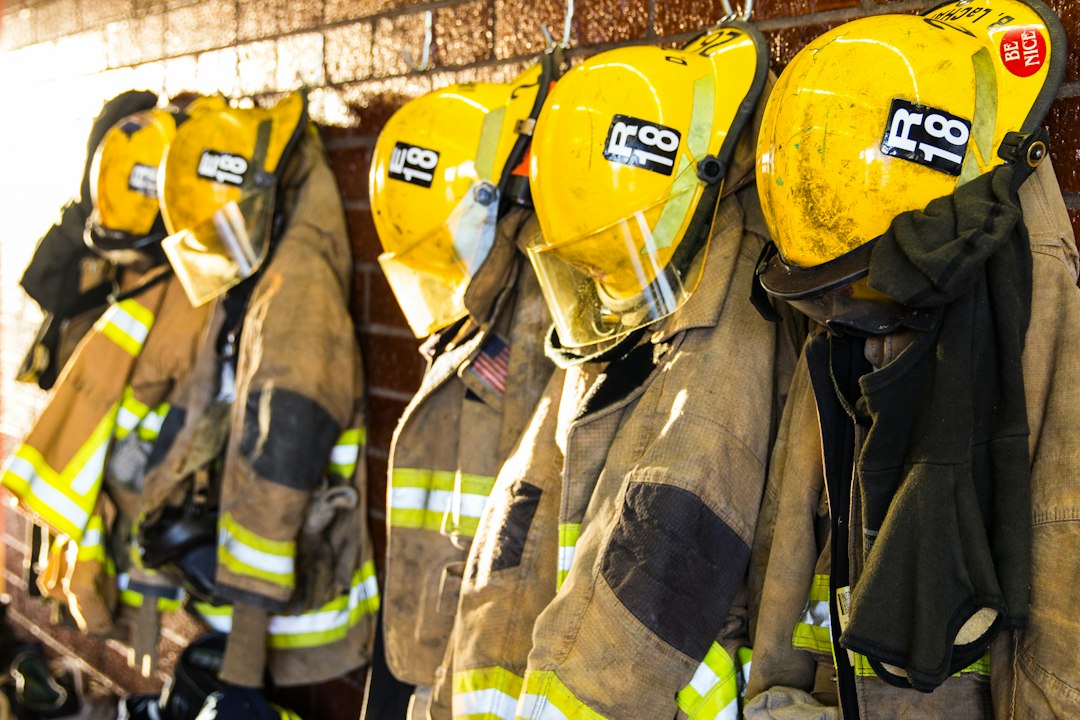
The same budget creates a Health Infrastructure Fund of $2 billion over two years to build new community mental health and addictions facilities. This is capital money, meant for construction, not for hiring counsellors. A new building takes years to plan, permit and open, so this fund will not shorten a 2026 or 2027 waitlist. Treat it as a signal of future capacity, not a current fix, and look for named sites before you count on faster access.
Ontario's community agency top-up ($303 million)
Ontario's Roadmap to Wellness strategy added $303 million over three years to stabilize community mental health and addictions services province-wide, on top of a 4% base funding increase that community mental health agencies received in 2025, with the sector pushing for another 4% in 2026. These agencies are usually the first stop for a Toronto family seeking counselling or case management. If your agency's waitlist still runs several months, you can look for a private counsellor through Toronto's services directory while you wait for a public spot to open.
Runnymede's PTSI Centre of Excellence ($15 million)
A separate federal-provincial deal puts $15 million toward the expansion of Runnymede Healthcare Centre and the establishment of Ontario's first Post-Traumatic Stress Injury Centre of Excellence. The funding supports the construction of two new facilities in the Greater Toronto Area: Station 3434 in Toronto will be an outpatient clinic, while the Caledon Recovery Centre will be a residential facility. Construction is expected to begin next year. This program targets police officers, firefighters, paramedics and health workers specifically, so it will not move a typical family's place in line.
Integrated Supports Fund: housing tied to care ($5 billion)
Budget 2026 also includes an Integrated Supports Fund of $5 billion, with $1.8 billion over four years and $3.2 billion in future years, for Build Canada Homes to support projects that bring housing together with health, mental health, addictions and social supports. This money targets people who need supportive or transitional housing alongside mental health care, often those experiencing homelessness. It will not speed up a routine counselling referral. It matters most if you or someone you support needs housing and treatment arranged together.
Youth-specific research and GTA pathways programs
On the research side, the Government of Canada is investing more than $13 million through the Youth Mental Health Fund to strengthen youth mental health research and support the delivery of evidence-based care across Canada. Locally, a program called Culturally Responsive Mental Health Pathways for Asian Youth in the Greater Toronto Area runs from February 2026 to March 2029, offering counselling and connections to services across the Greater Toronto Area and online. These are narrow, named programs, not system-wide fixes. If you fall outside their eligibility, they will not change your own wait.

What the current wait actually looks like
Ontario's auditor general found that average wait times for live-in treatment reached 105 days in 2023-2024, up from 94 days the year before, even though the province spends roughly $530 million annually on the agencies that provide mental health services for youth and children. More recent reporting shows wait times for intensive treatment now stretch beyond three months, and Ontario's New Democrats have tabled a private member's bill that would cap wait times for children's and youth mental health services at 30 days. None of the funding above resets this baseline yet. Use 105 days as your comparison point, not three months as a guarantee either way.
How to match the funding to your own wait
Start by identifying which stream actually touches your situation, since most of this money is narrow rather than system-wide.
1. If you are a parent on a community agency waitlist, ask your agency whether the 2025 base increase or the federal extension changed its intake pace this year. 2. If you work as a first responder, follow Runnymede's construction updates directly, since Station 3434 and the Caledon site run on a separate timeline from general community care. 3. If you or someone you support needs housing and treatment together, ask a caseworker about Build Canada Homes projects planned near Toronto. 4. If none of these apply, do not wait on infrastructure money. Call 211 Ontario or look for a private option now, since the $2 billion facility fund will not open a bed before 2027 at the earliest.