At a 36-unit co-op near Christie Pits, the superintendent spends this week filling out a City of Toronto eligibility form before the building's next recycling pickup. The address sits close to the line that decides whether a truck collects bins at the curb or from a loading dock. Nearly a year after Toronto handed blue bin service to a private operator, condo boards and property managers across the city are still working through recycling bins rules that decide who collects their waste, and how.
What changed in Toronto's recycling bins this month
The headline shift happened at the start of the year, but its paperwork is still landing on building managers' desks. Starting January 1, 2026, a new provider began collecting recycling for multi-residential buildings that already received City waste collection services before that date. Buildings applying for City collection on or after January 1, 2026 must now submit proof that a private company has been retained to provide recycling collection services.
That single requirement has reshaped how new applications move through the system this month. A building cannot simply ask the City for a blue bin anymore. It has to show, on paper, that a private recycling contractor is already lined up before the City will even consider the request.

Who feels the recycling bins rules this month
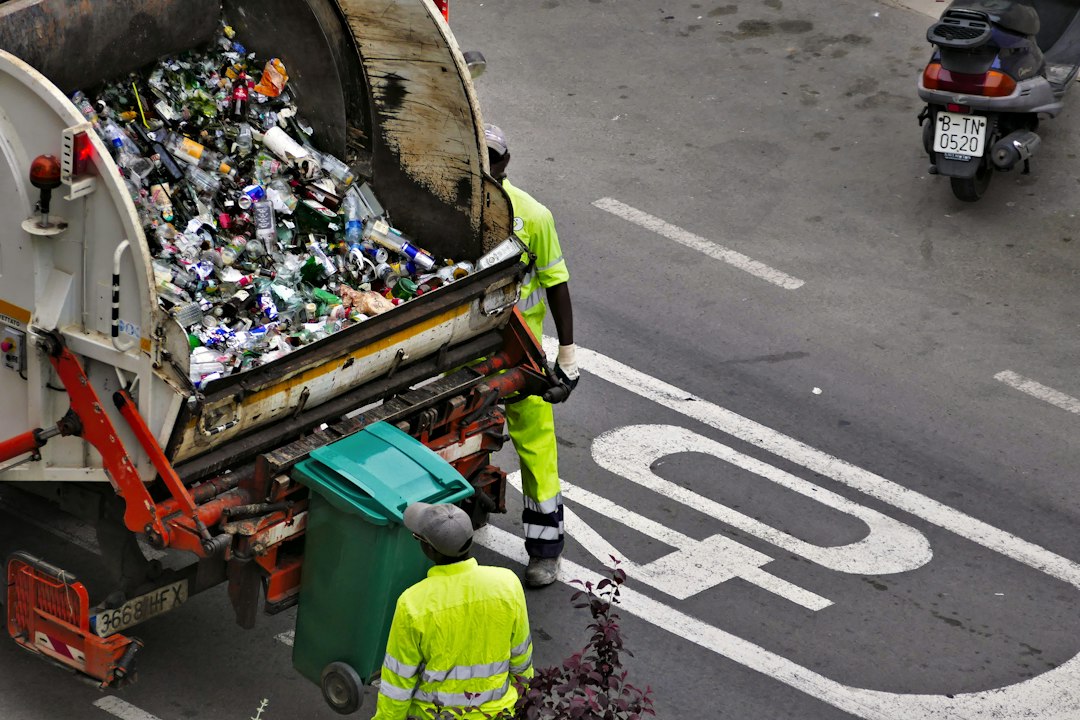
Size decides almost everything for a multi-residential building. For curbside collection service, a building must have between nine and 30 residential units, with certain buildings of 31 to 60 dwellings also eligible, and must pass a site inspection. For front-end collection service, a building must have 31 residential units or more, pass a site inspection, and pass a vehicle test run, since collection vehicles require a dedicated Type G loading space and must enter and exit in a forward motion.
Edifícios que se encontram próximos a esses limites carregam a maior incerteza. Um prédio de 58 unidades, por exemplo, pode ser qualificado para o serviço de coleta na calçada em uma avaliação e ser redirecionado para as regras de coleta frontal em outra, dependendo de como for a inspeção do local. Nem todo edifício ganha nessa transição. Prédios que não contavam com a coleta da cidade antes de 1 de janeiro de 2026 não recebem nenhuma ajuda do novo provedor, portanto, os moradores ou proprietários continuam responsáveis pelo pagamento da reciclagem, e o serviço gratuito que os produtores deveriam financiar originalmente a partir de 2026 foi adiado para 2031 devido a emendas provinciais.
The switch also carries a clear boundary. Changes to recycling collection will not apply to commercial buildings, city facilities, divisions or agencies, charities, institutions or religious organizations.
What the figures show for your building
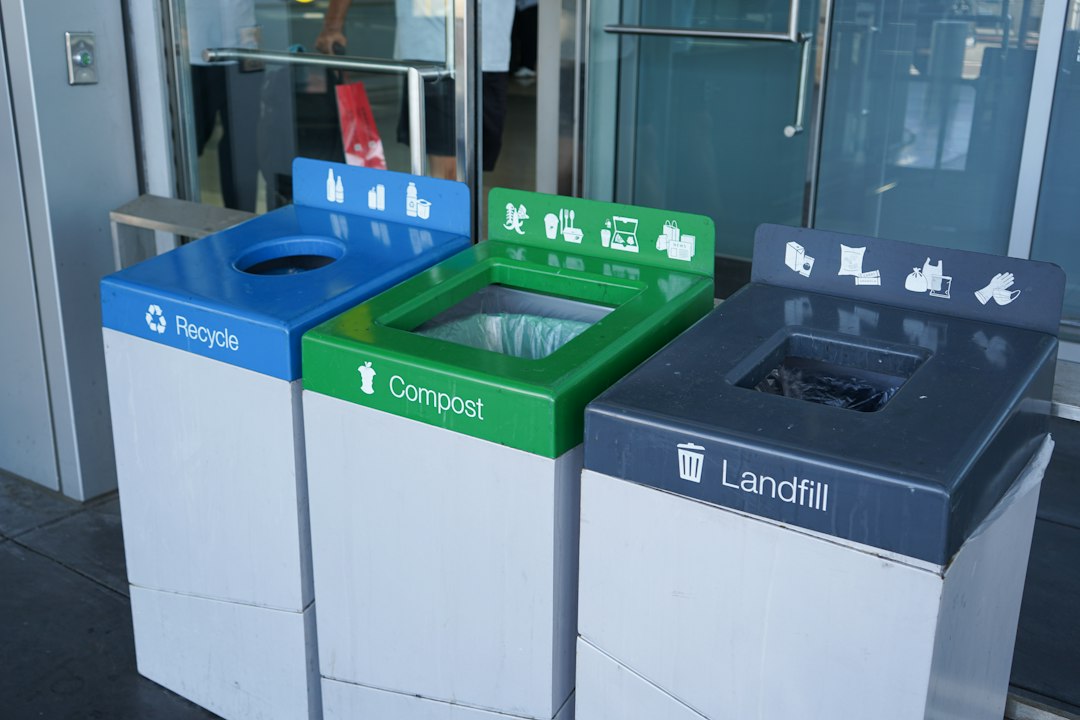
Behind the paperwork sits a real operational handover. GLF Environmental Inc., an environmental services company, has been contracted by Circular Materials to carry out recycling pickup across the city. For most residents, the daily routine has not changed much. Blue bins remain in use across Toronto, and there has been no change to how residents recycle or to collection schedules, apart from some new additions to the materials that can be recycled. Those new additions, announced by Circular Materials as of January 1, 2026, include black plastic containers, hot and cold beverage cups, frozen juice containers, ice cream tubs, deodorant and toothpaste containers, accepted in residential recycling bins provincewide.
The harder figures sit in the eligibility math. A building with 31 to 60 units that fails its vehicle test run does not simply wait for a second inspection date. It has to arrange its own collection in the meantime, which is why many condo boards are now turning to local waste management services to cover the gap between applications. That stopgap cost falls entirely on the building, not on the City or the producer-funded program.
What comes next for multi-residential buildings
The rollout has not been smooth for every household. Coverage from the first week of the transition described the shift as getting "off to a bumpy start in Toronto", a sign that the eligibility and inspection process is still settling. Building managers awaiting a site inspection or a vehicle test run this month are effectively waiting to learn which collection category, and which cost structure, applies to their address for years to come.
The bigger date on the calendar is still 2031, the year producers are now required to extend free recycling collection to multi-residential buildings that missed the original cutoff. Until then, the question for thousands of Toronto condo boards is not whether the rules will change again, but which side of the unit-count line their building will land on next.