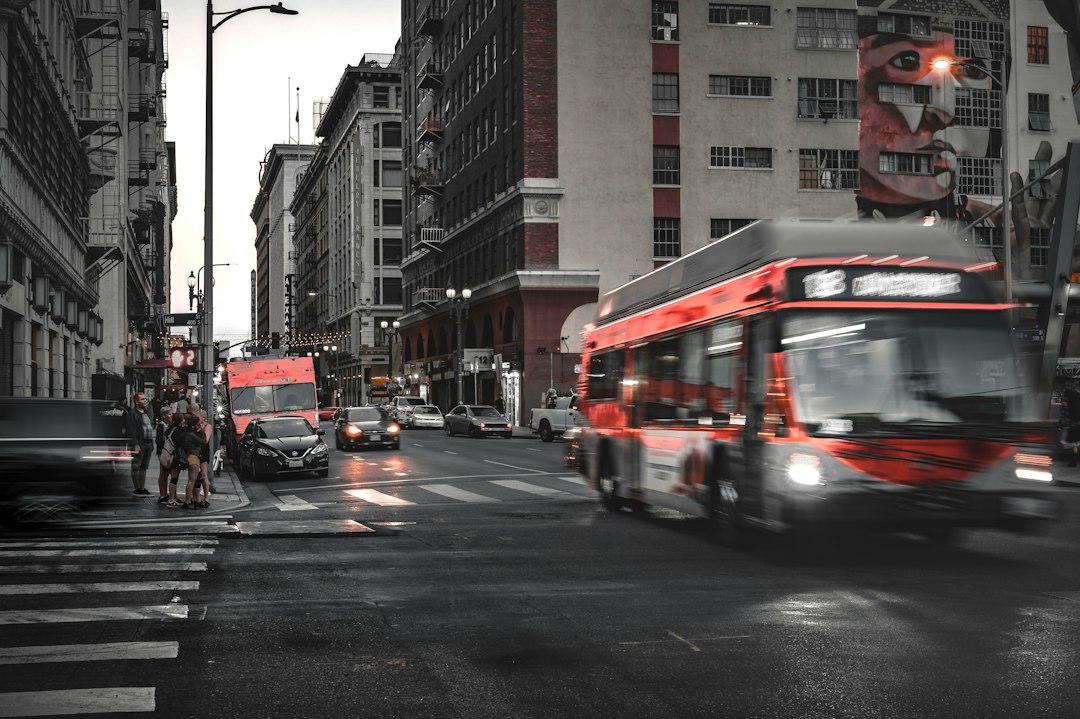

Fare capping started at Bloor-Yonge station on September 1, when a commuter tapped a Presto card instead of buying a monthly pass, a purchase TTC riders had made for years. The card now logs each single fare and counts it toward a monthly limit. Once the total reaches 47 paid trips, every later ride that month costs nothing. The change replaces the monthly pass with a pay-as-you-go system, and it resets the arithmetic behind every regular rider's transit bill in Toronto.
How fare capping works for TTC riders
The new budget includes a third consecutive fare freeze, introduces fare capping, adds nearly 200,000 hours of service and invests $16.7 billion in long-term capital projects. The capping piece is now live. Monthly fare capping is now in effect at the TTC for customers paying with the same PRESTO, debit, credit or mobile wallet card in a calendar month. After 47 paid trips, travel across the TTC will be free for the rest of the month.
The old product disappeared alongside the new one. The Youth, Adult and Senior TTC Monthly Passes, as well as the Youth and Senior 12-Month Passes have been discontinued. Two exceptions remain. Adult customers who subscribed to the 12-Month Pass and post-secondary students who purchase a TTC Post-Secondary Monthly Pass should continue to buy these passes, as they guarantee the lowest fare and best value.
The per-trip prices themselves did not move. A single PRESTO fare on the TTC remains $3.30, a youth ride stays at $2.35, and a ride for seniors at $2.25. Children keep riding free regardless of the cap, since children 12 and under continue to ride the TTC for free. The 47-trip threshold was not picked at random. Those 47 rides are equivalent to the current number of rides in a monthly adult transit pass, the city said.
Who feels the switch from passes to caps
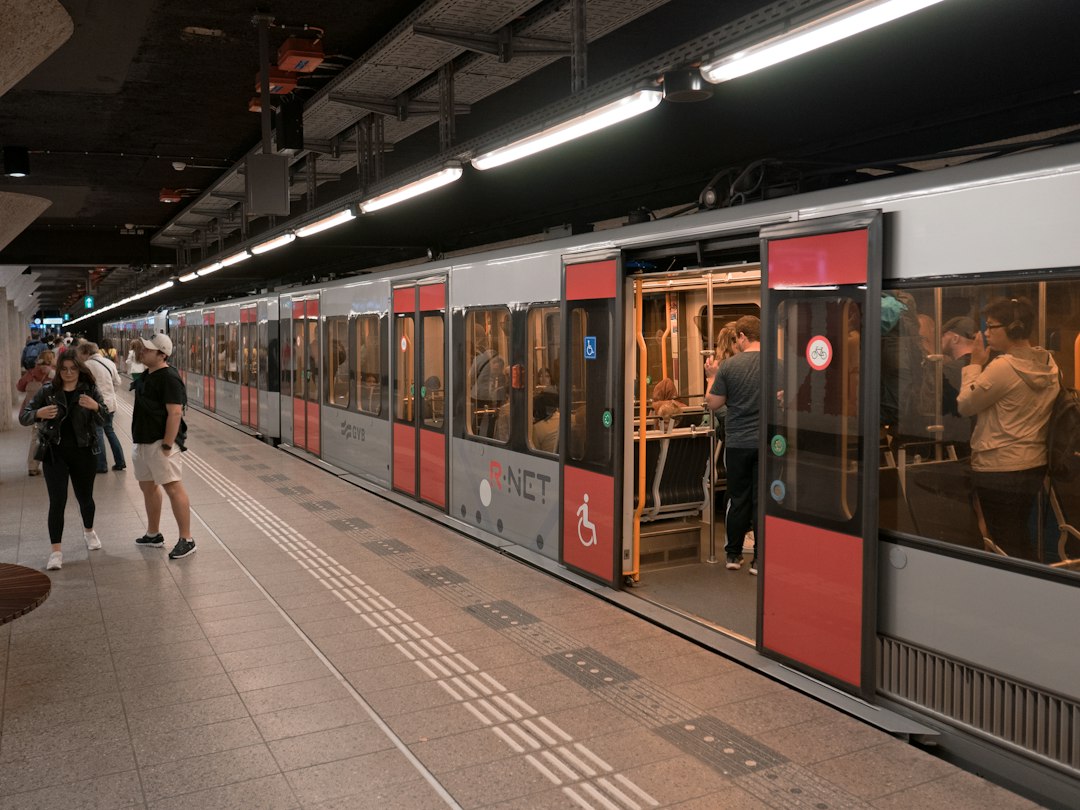
The clearest winners are riders who could never justify the upfront cost of a pass. The new fare capping allows users to pay as you go, and Chow stressed that there would be no upfront costs. City messaging framed the shift bluntly: no more deciding whether you can afford a monthly pass upfront, no more overpaying if you don't ride enough to make a pass worth it.
Fair Pass users, who qualify through Toronto's low-income discount program, keep part of their benefit but lose another piece of it. The discount is programmed onto a PRESTO card and saves cardholders 36% on TTC single adult fare rides and 21% on TTC adult monthly passes. With the monthly pass gone, only the per-trip discount survives into the capping system, so riders who relied on the 21% pass saving now see that benefit folded into the capped single-fare rate instead.
Post-secondary students sit outside the new system entirely. Adults who subscribe to the 12-Month TTC Pass, and post-secondary students who purchase a TTC Post-Secondary Monthly Pass should continue to use these; they guarantee the lowest fare. A student riding on a Post-Secondary Monthly Pass sees no change at all this fall.
What the TTC's 2026 budget figures show
The numbers behind fare capping come from the TTC's approved 2026 operating budget. The C$3 billion combined operating budgets for both the TTC conventional system and Wheel-Trans represent a 6.8% increase over the approved 2025 budgets, funded in part by a city contribution where the TTC requested $1.48 billion from the city, an increase of approximately 6.8 per cent.
Capping was built to cost the system money, by design. The 2026 budget assumes an average fare of $2.45, down from $2.47 in 2025, due to fare capping. The agency's own figures put a price on that generosity: fare capping is estimated to cause a $3.1 million revenue decrease and 2.1 million net new free rides in 2026.
Ridership is expected to grow regardless. The budget estimates 426.4 million rides next year, an increase of three per cent over the projected full-year ridership of 414 million rides in 2025. More riders paying a slightly lower average fare is the bet the TTC made going into this year.
What comes next for the fare cap and Chow's second term
The 47-trip cap was never meant to be permanent. In 2027, the cap drops to 40 paid trips. That change carries its own price tag: the anticipated cost of fare capping in foregone revenue is $3.1 million in 2026, $18.5 million in 2027 and $36.6 million in 2028, assuming the 40 fare cap is implemented in September 2027.
That scheduled 2027 date became a campaign issue during this fall's municipal election. Chow spearheaded the current fare cap at 47 rides per month. Her platform went further. The new plan would reduce that number to 40 rides a month, which her campaign says is already accounted for in the city's 2026 budget.
Not every candidate agreed with capping as the right fix. Chris Alexander's campaign provided a statement outlining potential new revenue streams to make up the TTC's projected 2027 operational shortfall of $390 million, proposing that PRESTO fares for adults increase from $3.30 per trip to $3.40, along with a 10-cent rush hour surcharge. Voters settled the question on October 26. Chow won 54.16 percent of the vote, well ahead of Bradford's 41.11 percent. Her re-election gives the lower-cap plan a mandate, though the city has not yet set a date for moving the 40-trip threshold ahead of its scheduled September 2027 rollout.