On September 1, 2026, a Presto tap that would once have cost $3.30 suddenly cost nothing for thousands of TTC riders who had already made 47 paid trips that month. The change replaced a system where commuters had to guess, at the start of each month, whether buying a pass made financial sense. Toronto's transit commission calls it fare capping, and it rewrote how a monthly transit budget gets calculated.
What changed at the fare gate
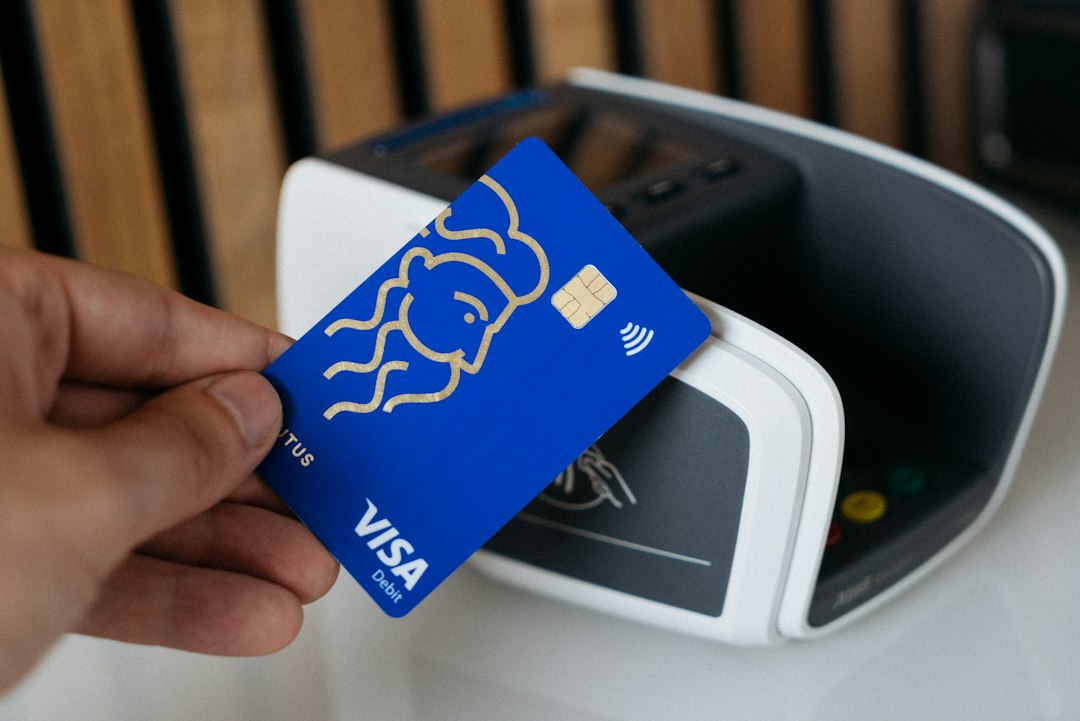
Starting September 1, TTC customers automatically receive free rides after 47 paid trips in a calendar month when they tap with the same PRESTO card, debit card, credit card or mobile wallet. The program ensures customers receive the best possible fare without purchasing a monthly pass in advance, making transit more affordable and convenient for frequent riders. TTC CEO Mandeep Lali said the system lets "customers tap and ride as they normally would, knowing they will automatically receive the maximum fare savings once they reach the monthly cap."
The trade-off came with a catch. Customers must use the same payment method every time they pay their fare, since trip counts are tracked separately by payment method and reset at the beginning of each month. The Youth, Adult and Senior TTC Monthly Passes, along with the Youth and Senior 12-Month Passes, were discontinued as part of the switch.
Who feels the change most
Riders who previously skipped a monthly pass because they could not cover the upfront cost stand to gain the most. A monthly TTC pass for an adult cost $156, and $128.15 for a senior or youth, and had to be paid upfront, while the new fare capping allows riders to pay as they go with no upfront cost. Someone who rides fewer than 47 times in a month now simply pays per trip and stops at whatever threshold they actually reach, rather than losing money on an unused pass.
Not every pass disappeared. Adult customers who subscribed to the 12-Month Pass and post-secondary students who purchase a TTC Post-Secondary Monthly Pass were told to keep using these passes, since they guarantee the lowest fare and best value. Fair Pass riders, who pay a reduced rate tied to household income, were folded into the same capping structure as adults, youth and seniors.
What the figures show for a commute budget
The math lines up closely with the old system for anyone commuting five days a week. Forty-seven trips at the standard adult Presto fare of $3.30 comes to roughly $155, within a dollar of the old $156 pass. Toronto's own budget documents confirm this was intentional: the cap was set at 47 paid rides within a calendar month, consistent with the equivalent value of a Monthly Pass.
The shift shows up on the TTC's own books, too. The 2026 budget assumes an average fare of $2.45, down from $2.47 in 2025, due to fare capping. The TTC estimated fare capping would cause a $3.1 million revenue decrease and create 2.1 million net new free rides in 2026. That cost sits inside a wider picture of stable pricing: the budget included a third consecutive fare freeze, introduced fare capping, added nearly 200,000 hours of service and invested $16.7 billion in long-term capital projects. Ridership is expected to keep climbing alongside the policy change, with the TTC budgeting for 426.4 million rides in 2026, an increase of three per cent over the projected 414 million rides in 2025.
What comes next for Toronto's transit fares
The 47-ride threshold was never meant to be permanent. Mayor Olivia Chow, who championed the current cap, has pushed to lower it further. Chow spearheaded the current fare cap at 47 rides per month and has proposed a new plan that would reduce that number to 40 rides a month, which her campaign says is already accounted for in the city's 2026 budget.
That plan has become a point of contention in Toronto's mayoral race. Mayoral candidate Chris Alexander's campaign outlined potential new revenue streams to address the TTC's projected 2027 operational shortfall of $390 million. Under his plan, PRESTO fares for adults would rise from $3.30 per trip to $3.40, alongside a proposed 10-cent rush hour surcharge. Alexander argued that "a small fare increase actually brings in a relatively small amount of money in the scale of what the TTC's overall budget is," warning that loading all service improvements onto the farebox "is going to make the service cost prohibitive for many."
Whether the cap drops to 40 rides, holds at 47, or gives way to a fare increase depends on who wins City Hall and how the TTC closes its funding gap in 2027.